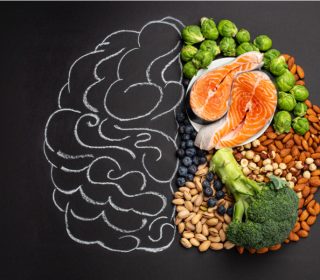





What’s missing from your plate?
However “on it” you are with your diet, most of us fall short somewhere. You might be diligent about hitting your protein target but forget fibre altogether, or load your plate with vegetables while quietly under-fuelling on carbohydrates. Even the most health-conscious eaters can end up with blind spots, especially as busy schedules, food trends and mixed messaging muddy the waters.
Rather than chasing the latest diet rules, a better place to start is balance. The body needs a combination of protein, fats, carbohydrates and fibre to function at its best – for energy, digestion, hormone production, brain health and recovery. If one piece of the puzzle is consistently missing, the effects can show up in subtle ways: low energy, poor concentration, constant hunger or digestive discomfort.
This quick quiz is designed to help you identify which key area your diet might be lacking. There are no right or wrong answers – just patterns. Once you’ve tallied up your results, nutritionist Michelle McKenzie explains what your body may be asking for, and how to address it in a practical, sustainable way.
The quiz
1. How do you usually feel after a carb-heavy meal (such as pasta, rice or bread)?
A. Sleepy
B. Sluggish or bloated
C. Energised
D. Comfortably full
2. How would you describe your energy levels across a typical day?
A. Consistently high
B. Very low
C. They peak and dip
D. Pretty stable
3. How often do you manage to eat at least five portions of fruit and vegetables?
A. Every day
B. Most days
C. A few times a week
D. Very rarely
4. How often do you eat fish (including oily fish such as salmon or sardines)?
A. Never
B. Very rarely
C. Once a week
D. Two or more times a week
5. Do you feel the need to snack between meals?
A. Mostly when I’m working or stressed
B. Usually in the afternoon
C. All day, every day
D. Rarely
6. How often do you eat foods naturally rich in fat, such as avocado, nuts, seeds or cheese?
A. Once a day
B. Hardly ever
C. A few times a week
D. With most meals
7. What is your most common snack choice?
A. Crisps or crackers
B. Fruit
C. Nuts or seeds
D. Chocolate
8. What do you usually cook with at home?
A. Very little fat
B. I avoid fats altogether
C. A mix of oils or butter
D. I cook with fats most days
9. How often do you eat meat, fish, eggs or a plant-based protein alternative?
A. Very rarely
B. A few times a week
C. Around once a day
D. With most meals
Your results
Mostly As – You may need more protein
Protein plays a central role in growth, repair and maintenance throughout the body. It supports muscle health, immune function, hormone production and enzymes involved in digestion and metabolism. It is also key for satiety, helping you feel full and satisfied after meals.
According to British Nutrition Foundation guidelines, adults should aim for roughly 0.75–1.5g of protein per kilogram of body weight per day, depending on age, activity level and health status. Spreading protein intake evenly across meals appears to be more beneficial than consuming most of it in one sitting.
Michelle McKenzie says:
“Try to include a source of protein at every meal rather than saving it for dinner. A good rule of thumb is a palm-sized portion. Quality sources include meat, fish, eggs, dairy, nuts, seeds, tofu, lentils and beans. For those following a plant-based diet, variety is particularly important to ensure you’re getting all nine essential amino acids, which the body cannot make on its own.”
Mostly Bs – You may benefit from including more healthy fats
Dietary fat is an efficient source of energy and is essential for absorbing fat-soluble vitamins including A, D, E and K. Certain fats, such as omega-3 fatty acids, are associated with heart health and play a role in brain function and inflammation regulation.
While excess intake of highly processed foods high in added fats can be problematic, naturally occurring fats are an important part of a balanced diet.
Michelle says:
“Rather than fearing fat, focus on the type and quality. Foods such as avocados, nuts, seeds, olive oil, dairy and oily fish provide fats in their natural form and come packaged with other beneficial nutrients. Omega-3 fats can be found in fish, walnuts, flaxseeds, chia seeds and eggs. Cooking with stable fats like olive oil or butter in moderate amounts can also help make meals more satisfying.”
Mostly Cs – You may need more carbohydrates for energy
Carbohydrates are the body’s primary source of fuel, particularly for the brain and muscles. Consistently under-eating carbohydrates can contribute to low energy, poor concentration and reduced exercise performance.
UK dietary guidelines suggest that roughly one third of the diet should come from starchy carbohydrates, ideally wholegrain or minimally processed varieties.
Michelle says:
“Carbohydrate needs vary from person to person, depending on activity levels and metabolic health. The goal isn’t to avoid carbs, but to choose them wisely. Whole foods such as vegetables, fruits, legumes, dairy and whole grains provide carbohydrates alongside fibre, vitamins and minerals. Limiting refined carbohydrates may help some people manage energy levels and blood sugar more effectively.”
Mostly Ds – You may need more fibre for gut health
Fibre is crucial for digestive health, helping to regulate bowel movements and support a diverse gut microbiome. A healthy gut has been linked to wider benefits, including immune function, inflammation regulation and even mental wellbeing.
Government guidelines recommend around 30g of fibre per day, yet most adults fall well short.
Michelle says:
“Fibre feeds beneficial gut bacteria, which in turn produce compounds that support overall health. Focus on variety rather than relying on one source. Vegetables, fruits, pulses, nuts, seeds and whole grains all contribute different types of fibre. Introducing fibre gradually and drinking enough water can help avoid digestive discomfort.”
Balance isn’t built in a day
Modern diets are shaped by time pressures, food trends and conflicting advice, and it’s entirely normal for certain nutrients to slip down the priority list without us realising. Rather than overhauling everything at once, focus on what’s missing most. Adding a source of protein to breakfast, cooking with a little more fat, or increasing vegetable variety over the week can often have more impact than drastic restriction or rigid rules. As Michelle explains, “Nutrition doesn’t need to be perfect to be effective. The goal is to support your body consistently, not control it.” Over time, those small, balanced choices are what make healthy eating feel sustainable – and realistic