



8 ways to support your body during allergy season
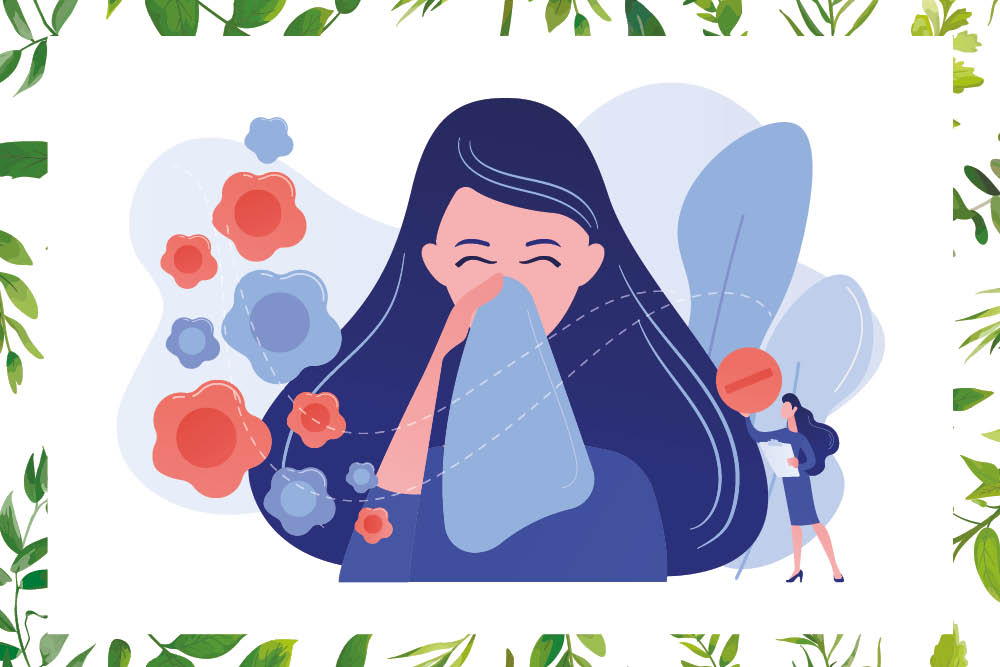
Springtime means blossom, longer days… and for many of us, an annual return of the sniffles. If your eyes water every time you step outside or you dread that telltale tickle in your throat, you’re not alone. Seasonal allergies – also known as hay fever or allergic rhinitis – affect around 1 in 5 people in the UK, according to the NHS, and symptoms can feel more intense in recent years, with longer pollen seasons and rising pollution often cited as contributing factors.
But here’s the good news: while antihistamines and medicated nasal sprays remain some of the most effective treatments, there are also simple, natural approaches that may help ease symptoms and support your body during allergy season.
These holistic remedies won’t replace medical treatment, but they can complement it – helping to support your immune system, calm inflammation, and potentially make your symptoms more manageable. Ready to breathe easier this allergy season? Here’s what to try.
1. Raw, local honey
Let’s start with a sweet one. The idea behind raw local honey is that it contains trace amounts of the same pollen triggering your hay fever. By taking a spoonful daily, you may help your immune system build a mild tolerance to local allergens – kind of like a DIY version of immunotherapy.
Try this: Take 1 tablespoon daily, ideally starting a month before allergy season kicks in. Just make sure the honey is raw (unpasteurised) and from a local producer to get the right pollen exposure.
While the theory is appealing, scientific evidence on honey as a treatment for hay fever is mixed. Some small studies suggest it may help with symptom relief, while others show little effect. Still, many people report personal benefits – and as a natural sweetener, it’s a low-risk addition to your routine.
2. Apple Cider Vinegar
Apple cider vinegar (ACV) is often included in wellness routines, and while there’s limited scientific evidence linking it directly to allergy relief, some people find it helpful for general wellbeing. Claims around mucus reduction and immune support are largely anecdotal, so it’s best seen as a complementary approach rather than a proven treatment.
Try this: Mix 1 tbsp of ACV with a little warm water and fresh lemon juice, and sip it 2–3 times a day during allergy season. It’s sharp, yes, but it’s also refreshing and effective.
3. Quercetin
Quercetin is a plant compound found in foods like apples, onions and berries. Some research suggests it may have anti-inflammatory and antihistamine-like properties, although most evidence is still limited to small studies. It may offer support for some people, but it’s not a replacement for standard allergy medications.
Heads up: Quercetin can interact with certain medications, so if you’re taking regular prescriptions, check with your GP or pharmacist first.
4. Nettle Leaf
Nettle might sound more like a garden hazard than a remedy, but this humble plant is actually a natural antihistamine powerhouse. It can help block the body’s histamine response, reducing inflammation and calming allergy flare-ups.
You can find nettle in capsule form, or sip on nettle tea if you prefer something gentler. Capsules tend to offer stronger results, especially during peak allergy season.
5. Spirulina
This vibrant blue-green algae has been studied for its potential anti-inflammatory effects. Some small studies suggest spirulina may help reduce allergy symptoms such as nasal congestion and itching, but more robust research is needed to confirm these findings.
Try this: Stir 1 tsp of spirulina powder into your morning juice or smoothie. It’s rich in antioxidants and also supports energy levels, so it’s a bit of a multitasker.
6. Probiotics for gut health
There’s a strong link between gut health and immunity, and since a huge portion of your immune system lives in your gut, taking care of your microbiome can help ease allergic responses. A healthy gut can mean a calmer, more balanced immune system, less prone to reacting aggressively to pollen and dust.
Try this: Include fermented foods like kimchi, kefir, sauerkraut, and kombucha in your diet, and consider taking a multi-strain probiotic supplement – especially if you’ve taken antibiotics recently or have digestive issues.
7. Allergy-fighting supplements
Several vitamins and enzymes can help fortify your immune system and calm allergy symptoms naturally. Look out for:
-
Vitamin C: A natural antihistamine that can help reduce inflammation.
-
Vitamin A: Supports healthy mucous membranes.
-
Bromelain: Found in pineapple, this enzyme helps reduce nasal swelling.
-
Omega-3 fatty acids: Found in oily fish, flaxseed and walnuts – excellent for calming inflammation.
You can take these individually or look for a blended supplement designed specifically for allergy support.
8. Anti-inflammatory diet
Your diet can influence inflammation levels in the body, which in turn may affect how you respond to allergens. While highly processed foods and excess sugar may contribute to inflammation, foods like dairy and gluten don’t trigger symptoms for everyone – sensitivities tend to be individual rather than universal.
Try this: Focus on whole foods and plenty of plants. Veg like beetroot, carrots, spinach, cabbage and bell peppers are brilliant during allergy season. Add spices like turmeric, ginger and cayenne pepper, which act as natural decongestants and inflammation-busters.
And don’t forget your healthy fats – avocados, salmon, olive oil and nuts are great for your immune health too.
Beating allergies – naturally?
There’s no single solution for allergies, and what works can vary from person to person. Over-the-counter treatments like antihistamines and steroid nasal sprays are often recommended as a first line of defence, but combining these with supportive lifestyle approaches may help you feel more in control of your symptoms.
Natural remedies can play a role in a broader strategy – particularly when it comes to supporting immune health and reducing inflammation – but they work best alongside, not instead of, evidence-based treatments.
Consistency is key: the earlier you start, the more effective your approach is likely to be. And if your symptoms are severe, persistent or affecting your daily life, it’s always worth speaking to a pharmacist or GP for tailored advice.