




The new rules of perimenopause

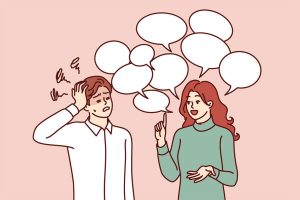
Perimenopause got flattened into one symptom: the hot flush. The word that disappears mid-sentence in a meeting, the 3am wide-awake stare at the ceiling, the rage that shows up on a random Tuesday – none of that made it onto the leaflet.
For years, clinical guidance built the entire perimenopause conversation around vasomotor symptoms, flushes and night sweats, while mood and cognition sat off to the side: vaguer, harder to prove, easier for a GP to write off as stress or medicate with an antidepressant. That’s the part that’s actually changed.
Diagnosis doesn’t wait for your cycle to catch up
Oestrogen and progesterone decline, cycles turn erratic, and the whole thing can run for years before the final period – familiar territory. What’s newer is how diagnosis works. Clinicians used to look to the menstrual cycle as the signal that the transition had started. The shift now underway is toward symptom-first diagnosis: hormonal fluctuation often shows up as anxiety, brain fog or fatigue well before a cycle looks obviously irregular, so periods that still look “normal” on paper don’t rule anything out.
A 2024 study of 978 patients at a Newson Health specialist menopause clinic found the five most common symptoms were fatigue, memory problems, difficulty concentrating, irritability and feeling tense or anxious – cognitive and mood symptoms outranking hot flushes and night sweats in a population that had already sought care. The consequence has been real: plenty of women in their 40s have spent the past few years on antidepressants for something hormonal, because brain fog and irritability didn’t fit the checklist their GP was working from.

Hormone therapy is no longer the risk it was sold as
Clinicians and patients increasingly call it MHT – menopause hormone therapy – rather than HRT. It’s more than a rebrand: the language reflects a real shift in thinking, from replacing something lost to restoring hormone levels the body is winding down.
More significant is what’s happened to the safety conversation. The Women’s Health Initiative study that spooked a generation of doctors and patients away from HRT in the early 2000s is now understood very differently. The excess breast cancer risk it found was real but small – a handful of additional cases per 10,000 women per year of combined therapy – and it applied to a study population with an average age in the early 60s, years after most women would now be advised to start.
The “timing hypothesis” now carries near-consensus support: starting hormone therapy within about ten years of the last period, or before 60, carries a different, often protective cardiovascular profile than starting later. In October 2025 the European Society of Endocrinology published a new clinical guideline on menopause and perimenopause management, and the British Menopause Society endorsed it. Both build the same individualised approach into practice: age, health history and delivery route decide the plan, not a single blanket verdict. Clinicians increasingly favour non-oral methods — patches, gels, sprays – since they bypass the liver’s first-pass metabolism and carry a lower clot risk than older oral formulations. Anyone with an intact uterus still needs a progestogen alongside oestrogen to protect the uterine lining.
The FDA just rewrote the label, and testosterone joined the toolkit
The regulatory picture has moved too. On 10 November 2025, the US FDA began removing the black box warnings – its most severe safety label – from oestrogen-containing MHT products, citing outdated interpretations of the original WHI data. It’s a US decision rather than a UK one and doesn’t change NHS or BMS guidance directly, but it marks how far the risk conversation has shifted at the source.
One more addition to the toolkit: doctors increasingly prescribe testosterone alongside oestrogen for perimenopausal fatigue and low libido. In the Newson Health study, close to a third of patients starting hormone therapy also started transdermal testosterone. GPs in the UK still prescribe it off-label, so it’s a conversation to raise with a GP or menopause specialist rather than something to expect as standard.
Cardio isn’t the assignment – strength is
“Eat well and move more” was never wrong, just never specific enough to be useful. The sharper version, backed by research now underway, narrows the target to resistance training and its effect on cognitive symptoms in perimenopause. A University of British Columbia trial launched this year is investigating exactly that link between strength training and cognitive health during the transition.
Alcohol and smoking are still worth cutting if hot flushes and sleep are the main issue – that part hasn’t changed. What’s changed is the frame around it: strength training and sleep sit alongside a much wider recognition of the mood and cognitive symptoms, not just the ones that show up as a hot flush.
Silence is no longer the default
Workplace menopause policies are now standard across a growing number of UK employers. Public figures have taken it out of hushed asides and put it on the record. And the volume of open discussion – on social media, in GP waiting rooms, between friends – has done something the clinical guidelines couldn’t do alone: made brain fog, rage and the 3am wake-up as legible a symptom as a hot flush always was.
The most useful shift isn’t a supplement or a new guideline. It’s paying attention to the symptom you’re actually having, not the one the leaflet warned you about.

Please note, the above is not intended as official medical advice. Please discuss your perimenopausal issues with a medical professional to understand the best course of action and treatment for you.