




8 benefits of meditation
Whether you’re a busy parent ferrying the kids to this club or that club, or you’re watching nervously as household bills continue to climb, there’s an endless list of worries that can make modern life feel overwhelming. The daily grind can feel exactly that – relentless, noisy and hard to switch off from.
It’s perhaps no surprise, then, that more people are turning to meditation as a way to reset. In recent years, interest in mindfulness and meditation has grown significantly, with apps such as Headspace and Calm becoming part of many people’s daily routines. While earlier data pointed to sharp rises in downloads, more recent figures suggest this interest has stabilised into something more meaningful: a sustained shift towards everyday mental wellbeing practices.
According to Ofcom, wellbeing and mindfulness apps remain among the most consistently used health-related digital tools in the UK. More broadly, searches for terms like “how to meditate” and “mindfulness for anxiety” continue to trend globally, reflecting a growing awareness of the link between mental and physical health.
And it’s not just anecdotal. Organisations such as the NHS and Mind now regularly reference mindfulness and meditation as supportive tools for managing stress, anxiety and low mood – alongside other forms of treatment.
WHAT IS MEDIATION?

From improving concentration to boosting energy, meditation helps restore your body to a state of calm. At its core, it’s a practice of training attention – learning to notice your thoughts without becoming overwhelmed by them.
The practice has been used for thousands of years as a way of grounding and reflecting. The word itself comes from the Latin meditatum, meaning “to ponder”, while its roots are often traced back to ancient India, where practices such as Dhyāna (or Jhāna) were described as forms of mental training and awareness.
Today, meditation exists in many forms – from traditional seated practices to guided sessions, breathing exercises and even mindful movement. While it’s often associated with stillness, it doesn’t have to mean sitting cross-legged in silence for long periods. For many people, it’s simply about creating a few moments of space in the day.
With mental health concerns continuing to rise — particularly anxiety and stress-related conditions – meditation is increasingly recognised as a practical, accessible tool. Research from NHS highlights mindfulness as a technique that can help people become more aware of their thoughts and feelings, and better equipped to manage them.
Some providers have also explored its impact more directly. Meditation school Beeja Meditation, founded by Will Williams, has reported positive outcomes among course participants, including improvements in mood, sleep and creativity. While self-reported, these findings reflect wider research suggesting meditation can support emotional regulation and overall wellbeing.
HOW DO I DO IT?
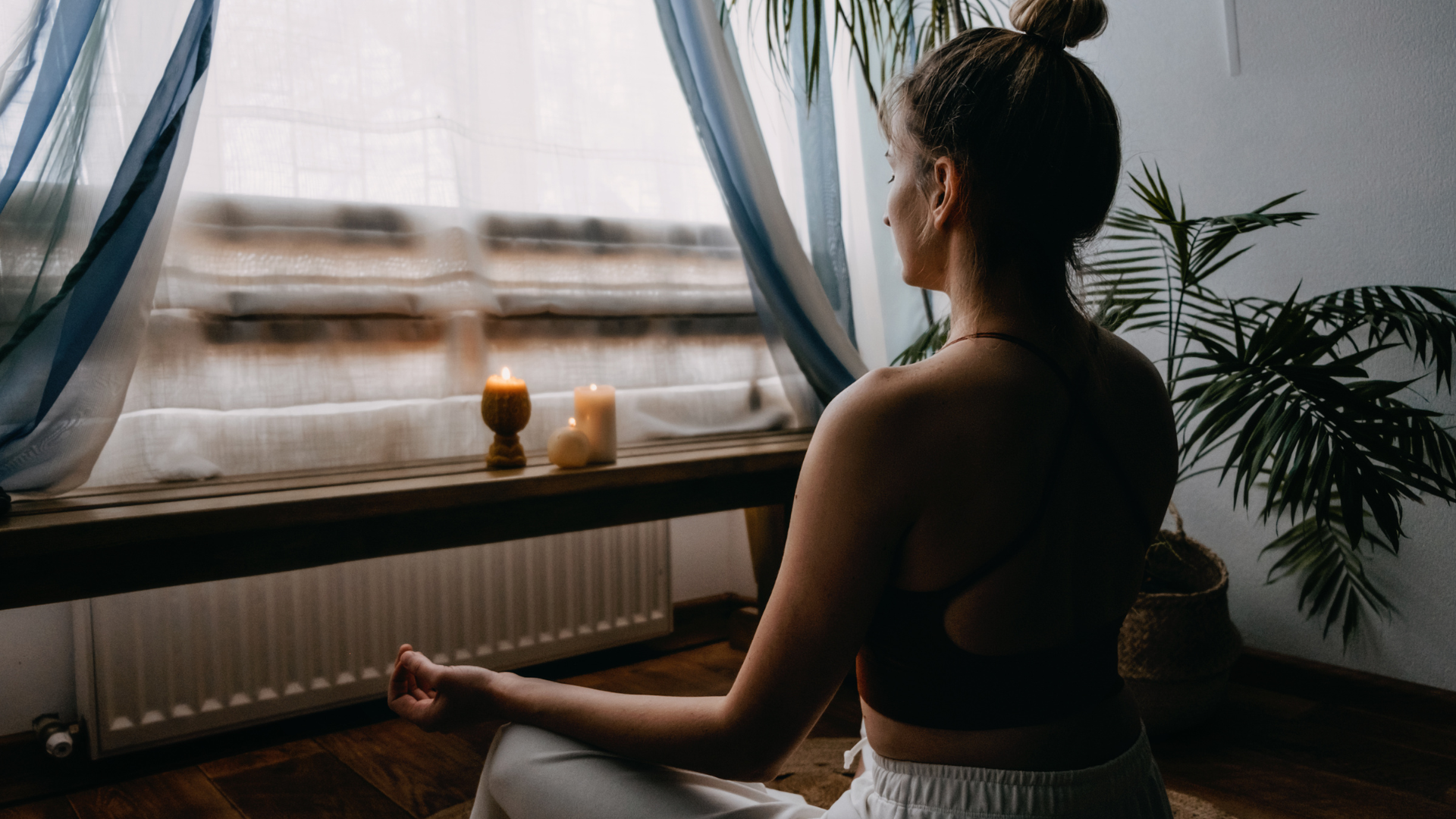
The easiest way to start is with focused meditation, where you concentrate on a single point – often your breath – to help anchor your attention.
Sit in a relaxed position, whether that’s in a chair, on the sofa or even on your bed. You don’t need any special equipment. Gently close your eyes (if comfortable) and begin to focus on your breathing. Try inhaling slowly through your nose, holding briefly, then exhaling through your mouth. There’s no need to force the breath – just notice it.
If your mind wanders – and it will – simply acknowledge the thought and bring your attention back to your breath. That process of noticing and returning is the practice.
You can start with as little as five minutes a day, gradually building up to 10–20 minutes if it feels helpful. Consistency matters more than duration. Some people find it easier to attach meditation to an existing routine –first thing in the morning, during a lunch break or before bed.
Guided sessions can also be useful, particularly when you’re starting out. Many apps and online platforms offer short, structured meditations designed for specific needs, such as stress, sleep or focus.
WHAT ARE THE BENEFITS?
Decrease stress levels
Meditation activates the body’s relaxation response – the opposite of the “fight or flight” stress response. Over time, this can help lower levels of the stress hormone cortisol and promote a greater sense of calm.
Keep anxiety under control
Research has shown that mindfulness-based practices can reduce symptoms of anxiety. For example, structured programmes such as mindfulness-based stress reduction (MBSR) have been found to improve coping strategies and emotional resilience.
Boost self-awareness
Taking time to observe your thoughts can help you better understand patterns in your behaviour – what triggers stress, how you respond, and what you might need to feel more balanced.
Enhance emotional health
Regular meditation has been linked to improved mood and a more positive outlook. By creating space between thought and reaction, it can help reduce rumination and negative thinking patterns.
Improve attention and focus
Meditation is often described as “training for the mind”. Studies suggest it can improve attention span and cognitive flexibility — particularly useful in a world full of constant distractions.
Support better sleep
Busy minds don’t switch off easily. Meditation techniques, particularly those focused on breathing and body awareness, can help calm the nervous system and make it easier to fall – and stay –asleep.
Support heart health
Some research indicates that regular meditation may contribute to lower blood pressure, particularly when combined with other healthy lifestyle habits.
Accessible anytime, anywhere
One of meditation’s biggest advantages is its simplicity. There’s no need for equipment or a specific setting. Whether you’re on a crowded commute or taking a quiet moment at home, it’s something you can return to whenever you need it.
MAKING MEDITATION PART OF REAL LIFE
Like any habit, meditation can take time to stick — and it won’t always feel easy. Some days your mind will feel busier than others. That’s normal.
Rather than aiming for perfection, it can help to approach meditation with curiosity. Even a few minutes of pause in a busy day can make a difference. Over time, those small moments can build into something more consistent and supportive.
It’s also worth remembering that meditation isn’t a cure-all. For more complex mental health challenges, it works best alongside other forms of support, whether that’s therapy, lifestyle changes or medical guidance. But as part of a wider toolkit, it can be a simple and effective way to reconnect with yourself.
The 16th century French philosopher Michel de Montaigne said “The greatest thing in the world is to know how to belong to oneself.” And who are we to argue.